
The link between persecution & Bible access
The Bible Access List reveals the places where God’s Word is hardest to find.
A joint initiative by Christian organisations identifies nations where Christians face severe Bible restrictions and shortages.
Did you know it’s incredibly dangerous to own a Bible in many places? Over 388 million Christians face persecution. It’s no coincidence: where persecution is highest, Bible access is most restricted.
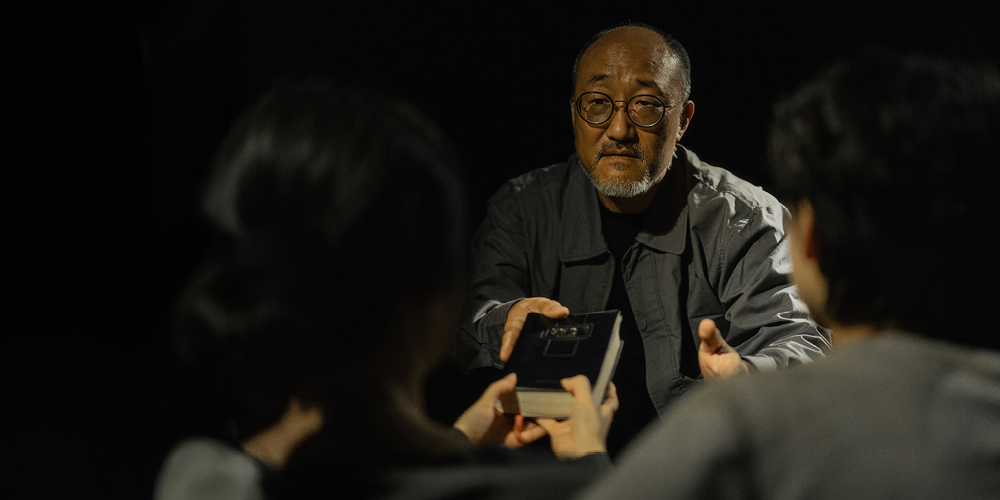
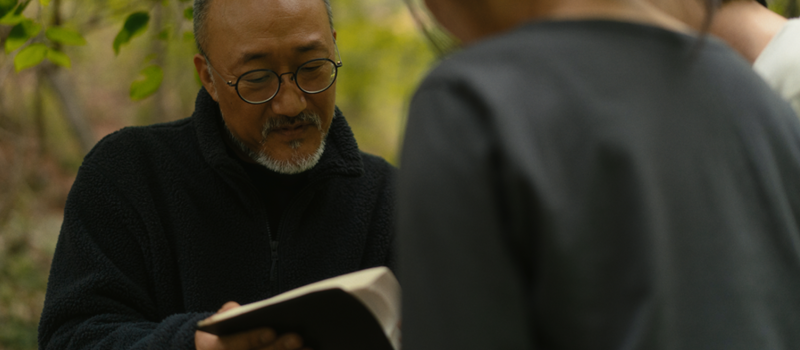
When Wesley* first held a Bible in his own language, everything changed. Growing up in a remote Malaysian village where Christianity was just a mark on his birth certificate, he had heard of Jesus but never truly met Him.
“I had heard about Bibles, but not about Jesus,” Wesley says. “In my village, there was so much reliance on cultural practices and beliefs that no one really mentioned anything about Jesus.”
Wesley’s story illustrates a crisis facing millions of Christians worldwide – a crisis now documented in the first-ever Bible Access List.
A global Scripture emergency
The Bible Access List identifies the countries where access to Scripture is most restricted and where Bible shortages are most severe. After several years of research, including hundreds of interviews with country and mission experts, the data reveals an alarming reality: persecution and Bible access are intimately connected.
“Where Christians face the greatest persecution, they also face the greatest barriers to accessing God’s Word,” says Open Doors US CEO Ryan Brown.
“This isn’t coincidence – it’s strategy. Oppressive governments, extremist groups and local actors such as extended families understand that cutting believers off from Scripture weakens their faith and fractures their communities.”
The Bible Access List is published by a cooperative coalition of like-minded partners. The initiative was founded by Open Doors International and Digital Bible Society, and for 2025, the steering partners include Digital Bible Society, Frontlines International, and Bible League International, with contributing partners such as Open Doors International, Biblica, Bible League Canada, and OneHope.
The research examined multiple factors, including church growth, literacy rates, infrastructure challenges, import restrictions, printing limitations, ownership laws and the impact of violent attacks on Bible access.
The three-pronged attack on Scripture access
The Bible Access List reveals how persecution systematically targets Bible access through three primary strategies:
- People who identify as “Christian” but lack a Biblical foundation to resist cultural pressure. For example, Romi from Malaysia’s Semelai tribe grew up “Christian” but regularly visited traditional healers because no one had taught him what the Bible actually said. Only at age 34, when he received discipleship training, did he “truly meet the Lord Jesus Christ”.
- Governments force churches underground, creating desperate hunger for Scripture. In Algeria, all Protestant churches have been forced to cease operations, while in China, once-tolerated unregistered churches are now increasingly targeted. Believers in North Korea risk imprisonment to share a single torn page from the Bible.
- Violence against Christians directly targets Bible distribution networks. As persecution intensifies globally, churches are burned, Christian bookstores destroyed, and pastors who distribute Bibles are imprisoned or killed – systematically cutting believers off from Scripture access.
Highlights
The Bible Access List includes data from two key lists:
- The Bible Restrictions List highlights where Bible access is blocked by law, the actions of religious extremists or other non-state actors or even one’s own extended families, as well as limitations due to socio-economic indicators.
- The Bible Shortage List estimates how many Christians still want a Bible, but don’t yet have one.
The top five countries on the Bible Restrictions List are:
- Somalia
- Afghanistan
- Yemen
- North Korea
- Mauritania
The top five countries on the Bible Shortage List are:
- Democratic Republic of Congo (Shortage Range: >10 million)
- Nigeria (Shortage Range: >10 million)
- Ethiopia (Shortage Range: >10 million)
- India (Shortage Range: >10 million)
- China (Shortage Range: 5-10 million)
Hope through partnership
 Despite these challenges, the Bible Access List represents hope. By identifying the greatest needs, it enables churches, ministries and organisations to focus resources where Scripture scarcity is most acute.
Wesley’s transformation came through Open Doors’ Ground Zero programme, which provided his first opportunity to read the Bible. “The programme was designed to facilitate sessions for high school graduates who were transitioning to college,” Wesley explains. “I learned to study the Bible, to say my prayers and to worship God.”
When family members later faced spiritual oppression, Wesley’s Biblical foundation enabled him to pray with authority. His uncle’s three-day demonic possession ended after one night of Wesley’s prayer. “When I read the Bible, it always says God is with us and not to be afraid,” Wesley says. “I remember those verses wherever I go.”
A call to action
The Bible Access List has an urgent message: Christians worldwide cannot wait for gradual change. Every day without access to Scripture means believers like Wesley and Romi remain vulnerable to deception, persecution, and spiritual defeat.
“The Bible provided me with the most valuable knowledge I could ask for,” Wesley reflects. “If we don’t strengthen our faith, we will be easily influenced.”
As Hebrews 4:12 reminds us: “The Word of God is alive and active, sharper than any double-edged sword.”
The Bible Access List ensures this life-changing Word reaches those who need it most.
View the complete Bible Access List here: Bible Access List.
*Names changed for security.
You can help strengthen a believer facing extreme persecution through Biblical training, trauma counselling, safe housing or practical and spiritual aid.
FAQ – The Bible Access List and Open Doors’ focus
The Bible Access List (BAL) is an annual global assessment created by a cooperative coalition of like-minded partners. The initiative was founded by Open Doors International and Digital Bible Society, and for 2025, the steering partners include Digital Bible Society, Frontlines International, and Bible League International, with contributing partners such as Open Doors International, Biblica, Bible League Canada, and OneHope.
The BAL identifies the places where Christians face the greatest barriers to accessing Scripture. It includes two measures: Restrictions and shortages.
Restrictions point to persecution-related and economic restrictions that prevent believers from safely obtaining or owning a Bible. Open Doors’ World Watch List data was used and consulted to help determine where persecution creates an environment in which access to God’s Word is difficult. Shortages point to the number of Christians who want a Bible but don’t have one. Multiple Christian non-profit organisations have joined forces to aggregate the data behind this list. Find out more and see the whole list at https://bibleaccesslist.org/
As a founding partner, Open Doors’ World Watch List information was used to help determine the countries with the greatest persecution-related restrictions on distributing or owning the Bible. The BAL is a complementary resource, specifically created to help zero in on the urgent need for God’s Word faced by Christians around the world. It’s no surprise that many of the countries near the top of the World Watch List are also at the top of the BAL’s restrictions list.
Open Doors’ calling is specific. While we affirm the importance of all forms of Bible access, our mission is to strengthen persecuted Christians. That means our focus is on those who cannot access Scripture chiefly because of persecution and hostility – people living under government bans, extremist violence and daily risk simply for owning a Bible.
This is why we distribute Bibles and discipleship materials to persecuted Christians across the world, sometimes through trusted partners. Other organisations – including some of the amazing Christian partners who worked on the BAL – have different, but no less important, callings, including bringing Bibles to people who can’t afford one.
For persecuted believers, the Bible is a lifeline. It is a source of strength, discipleship, and endurance under pressure. In many countries, even one copy can bring comfort and courage to an entire community. Yet these same countries often rank among the most dangerous places to be a Christian. Without access to Scripture, persecuted believers are cut off from vital hope.
When the Body of Christ is denied access to God’s Word, the entire global Church suffers. Scripture tells us that “If one part suffers, every part suffers with it,” – 1 Corinthians 12:26. Open Doors invites churches worldwide to stand with persecuted believers through prayer, advocacy and financial support.
You can pray for believers who risk their lives to access and spread God’s Word. You can advocate for their freedom. And you can give a gift to provide Biblical training, discipleship and practical resources to persecuted Christians – ensuring that even under persecution, the Word of God cannot be silenced.
The BAL Restrictions List is compiled using two types of research – one on persecution-related restrictions and the other on poverty-related restrictions. In some instances, there may be no legal or state-sanctioned restrictions on Bible distribution or ownership, but issues such as poverty or infrastructure problems may create access barriers. The Bible Shortage List combines the results of the Bible Restrictions List with the size of each country’s population and the Church in that country. The full methodology is explained here, and breaks down the scoring for each country.
